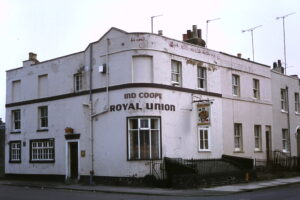
The Royal Union in Tivoli, Cheltenham (now closed)
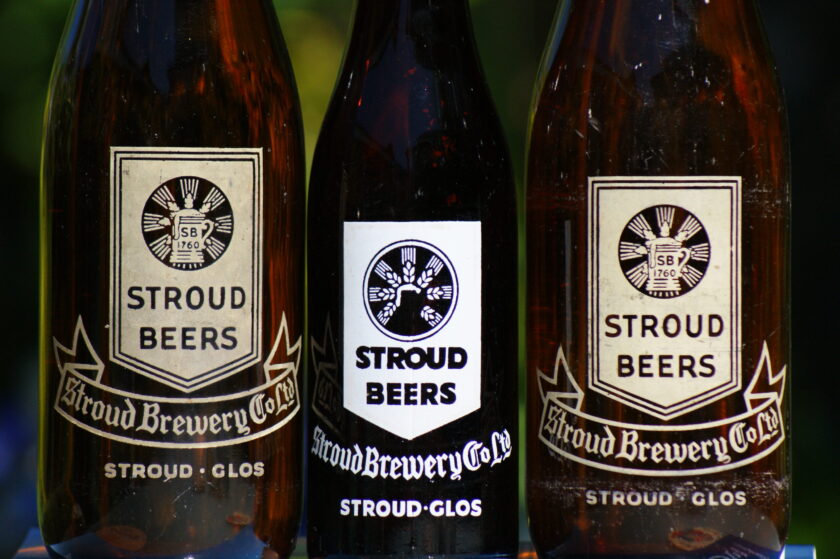
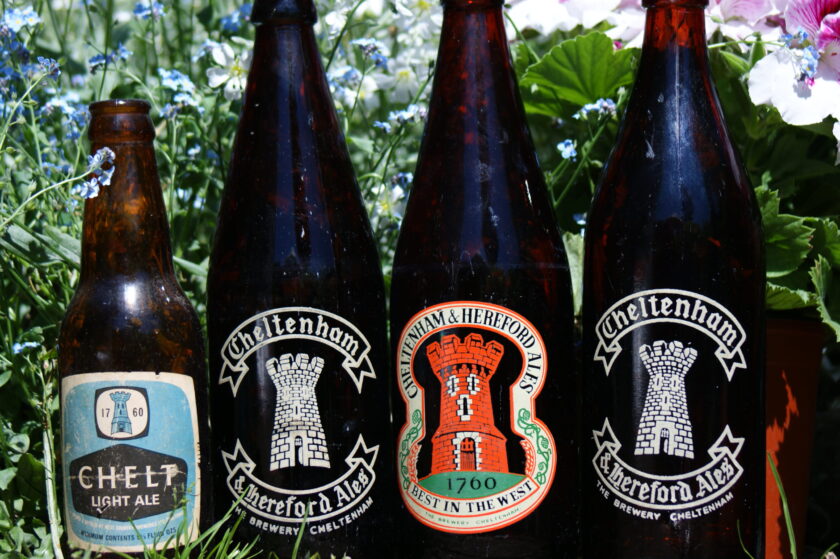
It’s fifty years since Gloucestershire CAMRA was founded in the back room of the Royal Union pub in Tivoli Street, Cheltenham. In the mid 1970’s it is quite fair to say that finding a decent pint of real ale was a real challenge. Gloucestershire was dominated by the maroon and white corporate signage of the Whitbread Brewery, a legacy of takeovers of the Stroud Brewery Company and Cheltenham & Hereford Breweries that “joined the Whitbread family” as part of the amalgamated West Country Breweries.
… and on the occasion of their joint
Colonel W.H. Whitbread, chairman celebrating 200 years of West Country Brewery, 1960.
bicentenary wish them long life
and prosperity in their joint venture.
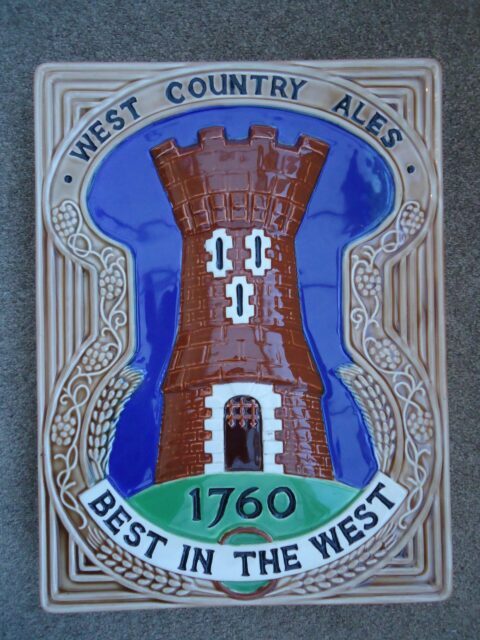
At the time both breweries were in operation, Cheltenham brewing traditional cask Pale Ale, Mild and Bitter and Stroud brewing Stroud Bitter, XX Bitter and XX Mild. In the early 1960’s colourful West Country Ales – ‘Best in the West’ ceramic plaques were still being inlaid into their pubs. Cheltenham and Stroud breweries had lost their independence, but brewing carried on. Maybe the turning point came in 1968 when Whitbread acquired Flowers & Sons of Stratford on Avon, closed the brewery down and merged with West Country Breweries to form Whitbread Flowers. The Flowers Stratford brewery already had Flowers Keg in their portfolio, and with Gloster Keg (brewed at Stroud) becoming more popular. Cask beers were becoming less relevant.
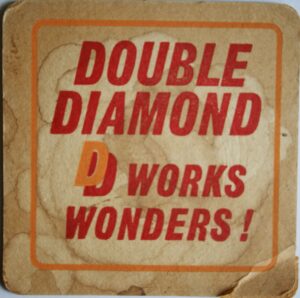
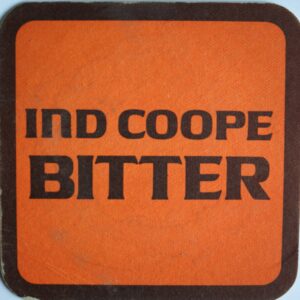
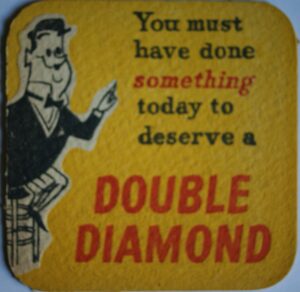
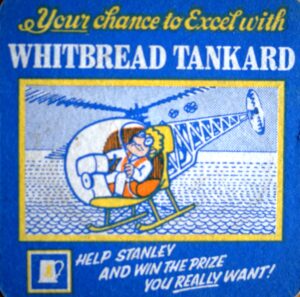
So, on Thursday 24th April 1975 a few like-minded real ale drinkers sat in the Royal Union quietly supping their pints of Ind Coope Mild and Bitter. They were in the company of locals happily drinking the overly sweet and fizzy Double Diamond keg – introduced in 1962 and becoming the most widely drunk keg beer in the UK because of a clever advertising campaign; because allegedly it ‘worked wonders’. With a Whitbread pub seemingly on every street corner, and traditionally brewed ale in terminal decline something had to be done. The Campaign for Real Ale, that had been founded just four years earlier by four men in St Albans, was an obvious campaigning group to affiliate to. There was a huge battle ahead. In 1976 brewery-conditioned beer in kegs and tanks represented 63 per cent of UK beer production. Whitbread was heavily promoting keg Trophy and Tankard, whilst Courage churned out Tavern.
One of those present at the inaugural meeting was John Barrett who wrote in the ‘tippler’ ten years later. He said, “I went along to the Royal Union to see what CAMRA was all about. Somehow from a roomful of people, most of all I didn’t know, I found myself elected to the committee. I tried to protest that I was not actually a member of CAMRA, but to no avail – £2 membership fee was extracted from me and that was that.”